
The Boa Constrictor in Sierpe & Corcovado: Size, Weight, Myths & Mangrove Habits
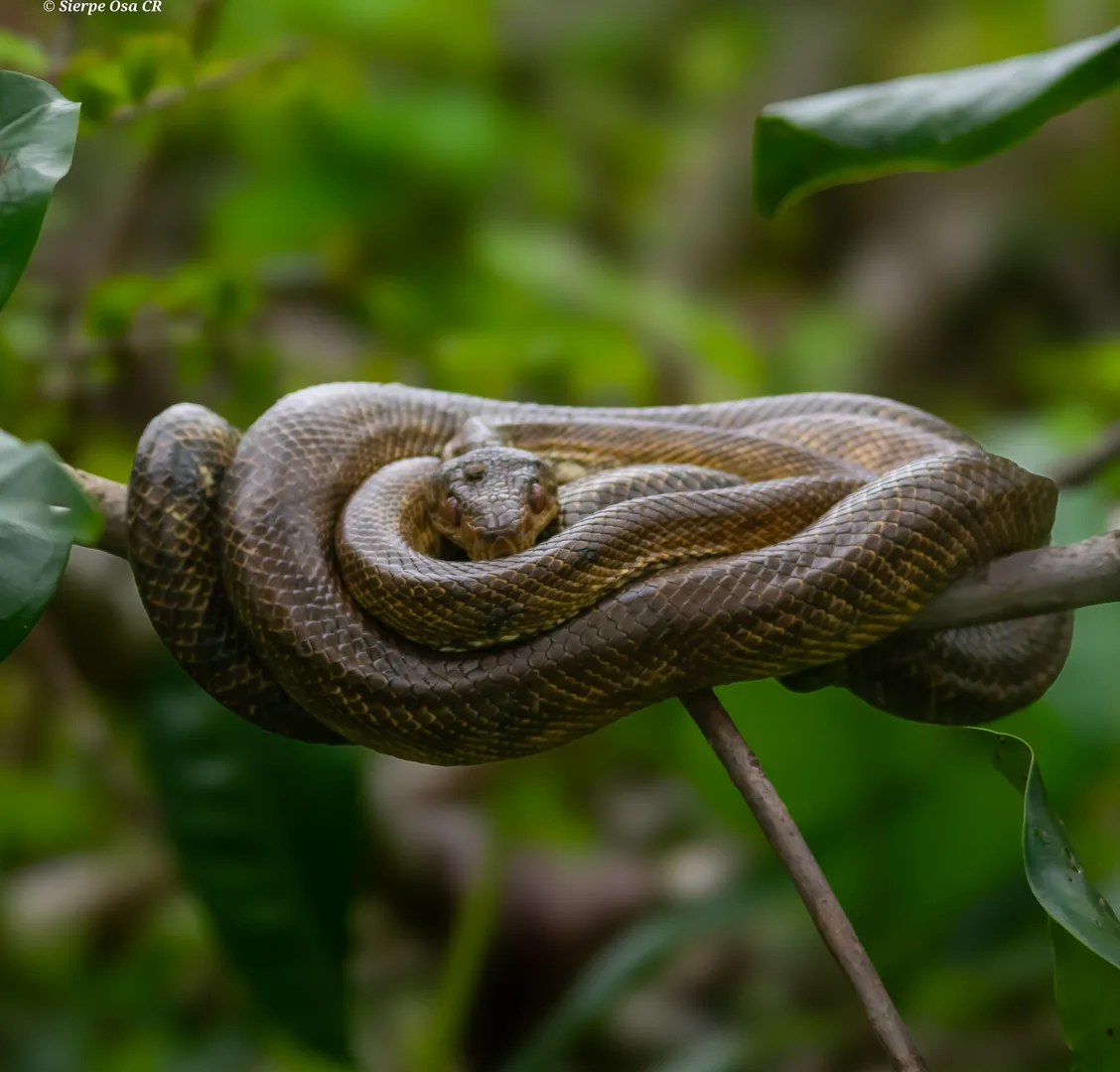
Coiled gracefully along the bark of red mangrove trees overhanging the Sierpe River or resting in primary rainforest hollows in Corcovado, the boa constrictor (Boa imperator) is the most iconic, docile, and ecologically vital large snake of the Pacific South.
📋 Quick Species Profile: Central American Boa
Camouflage Mastery & Ecosystem Balance
A boa's saddle-shaped brown and tan rosettes blend seamlessly with mangrove moss and shadows. These non-aggressive snakes are crucial biological controllers, maintaining healthy balance across river delta food chains.
* Boas rest quietly in tree forks above the river; guides spot them regularly with keen trained eyes.
Frequently Asked Questions
Is the boa constrictor venomous?
No, boa constrictors are completely non-venomous and generally docile. They subdue prey through gentle constriction before swallowing whole, posing zero danger to boat tour travelers.
How big and heavy is a boa in Costa Rica?
In the Sierpe mangroves and Corcovado, adult boas typically reach 6 to 8 feet (1.8 to 2.5 meters) in length and weigh 13 to 33 lbs (6 to 15 kg).
How do boas hunt in total darkness?
They use specialized labial heat pits sensing infrared body heat of birds, bats, and rodents, striking with remarkable accuracy in pitch-black night.