
Sloths in Sierpe & Corcovado: Size, Weight, 2 vs 3 Toes & Mangrove Life
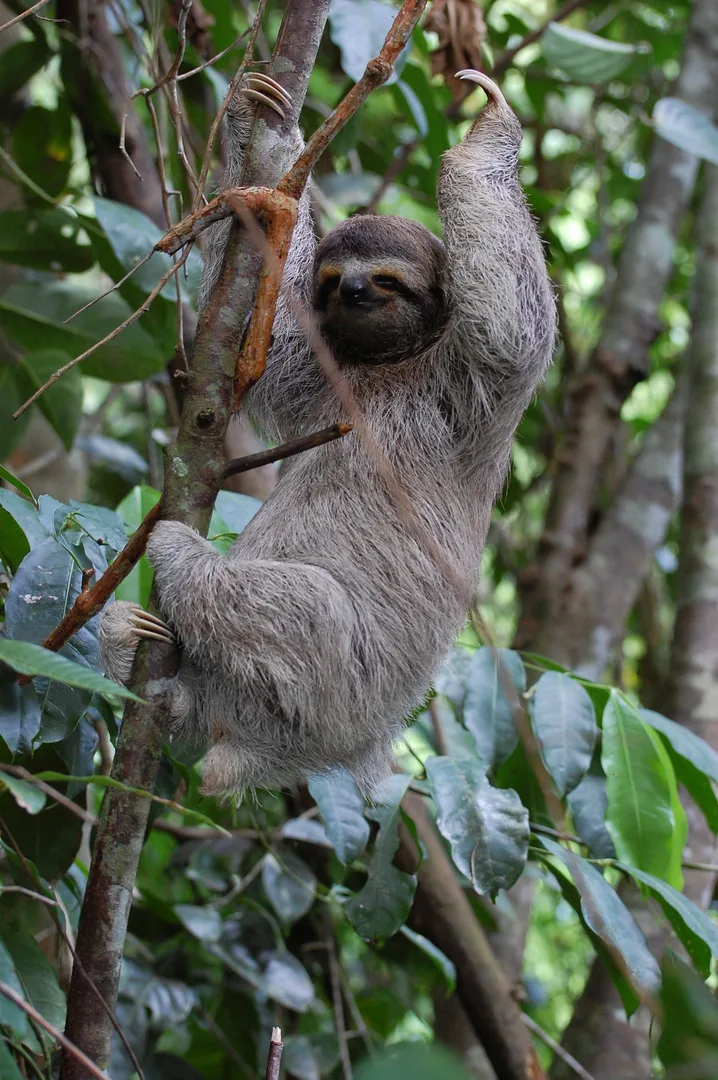
Beloved worldwide as the ultimate symbol of Costa Rica's serene "Pura Vida" wilderness, the tree sloth is a masterclass in slow-motion survival. Along the tranquil waterways of the Sierpe River mangroves and the lush lowland jungles of Corcovado, travelers have the rare privilege of observing both of the world's surviving sloth families in a single day.
📋 Quick Species Profile: Sloths in Costa Rica
Comparing 2-Toed and 3-Toed Sloths
Though sharing tropical canopy trees, both species separated over 30 million years ago:
- Brown-throated 3-Toed Sloth (Bradypus variegatus): Displays distinctive black facial eye mask rings, extra neck vertebrae enabling 270-degree head rotation, and bright orange dorsal markings on adult males.
- Hoffmann's 2-Toed Sloth (Choloepus hoffmanni): Larger, heavier, and primarily nocturnal, featuring pig-like snouts and longer cream-colored fur.
* Sloths rest quietly among Cecropia and mangrove branches along the banks of the Sierpe River.
Frequently Asked Questions
What is the difference between 2-toed and 3-toed sloths?
The 2-toed sloth (Choloepus hoffmanni) is larger and heavier (12 to 20 lbs), nocturnal, has blondish fur, and lacks a visible tail. The 3-toed sloth (Bradypus variegatus) is smaller (7 to 11 lbs), features dark eye mask markings, a short stubby tail, and is active during daytime.
How long does a sloth take to digest a meal?
Sloths have the slowest metabolic rate of any mammal. It can take up to 30 days to fully digest a single batch of leaves within their complex four-chambered stomach.
Can sloths really swim?
Yes, sloths are excellent swimmers. In the Sierpe River, sloths frequently drop from overhanging mangrove limbs into water, swimming dog paddle style up to three times faster than crawling on land.
Why do sloths descend from trees once a week?
They climb down solely to defecate and urinate in an energy-intensive ritual where they lose up to one-third of their entire body weight, fertilizing host trees and nurturing symbiotic sloth moths.